H12-831_V1.0 HCIP-Datacom-Advanced Routing & Switching Technology V1.0 Questions and Answers
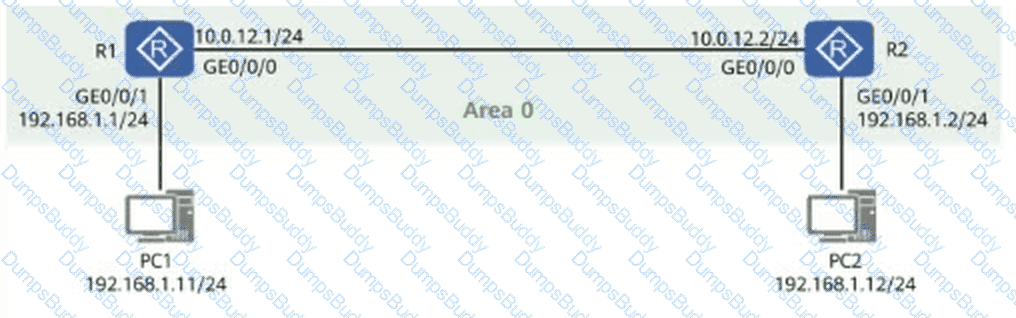
A network engineer provides a troubleshooting report after rectifying a fault. The actual network is simplified into the one shown in the figure, where R1 and R2 both have OSPF enabled, and function as the gateways of PC1 and PC2, respectively. Given this, which of the following statements are true?
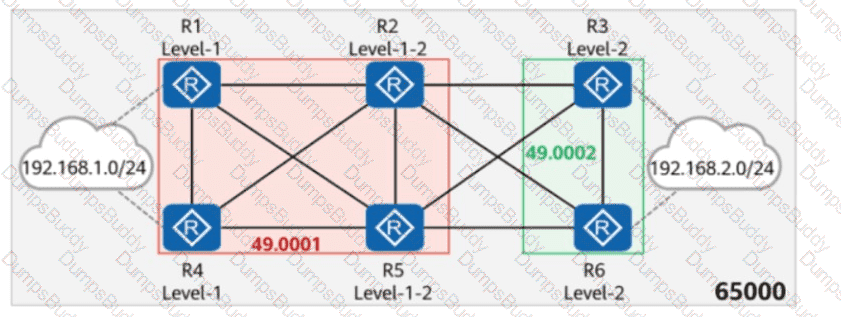
On the network shown in the figure, IS-IS runs on R1, R2, R4, and R5, and the area ID is 49.0001. IS-IS runs on R3 and R6, and the area ID is 49.0002. The import-route isis level-2 into level-1 command is configured on R2 and R5. In AS 65000, R1, R3, R4, and R6 each establish iBGP peer relationships with R2 and R5. R2 and R5 are RR (Route Reflectors), and R1, R4, R3, and R6 are the iBGP peer relationship clients. The iBGP peer relationship ID is 10.0.0.X/32, where X is the number of the iBGP router. R1 and R4 import the external route 192.168.1.0/24 to BGP through the import-route command, and R3 and R6 import the external route 192.168.2.0/24 to BGP through the import-route command. Which of the following statements are true?
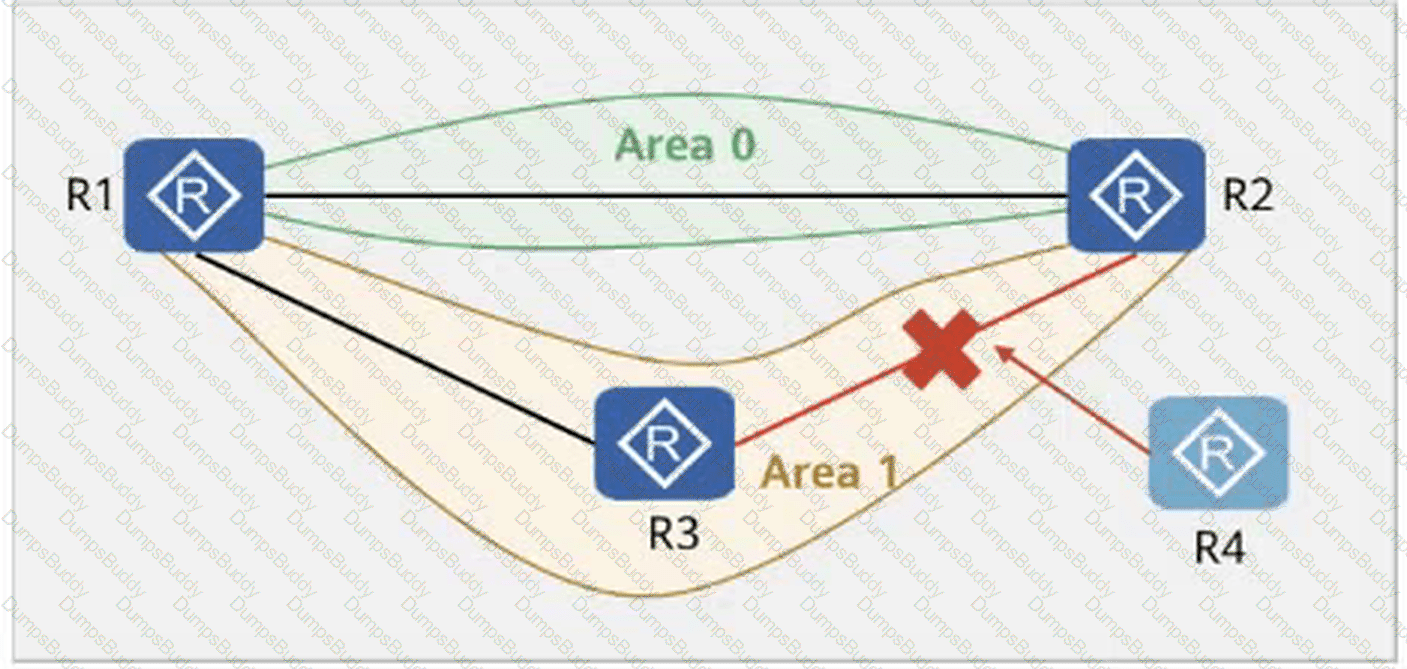
An OSPFv3 NSSA LSA is generated by an ASBR, describes routes to a destination outside the AS, and is advertised in an NSSA.
Options:
On an MPLS network, an LSR ID uniquely identifies an LSR. An LSR ID defaults to the IP address of a physical interface on a device and can be manually set to a loopback interface address.
Options:
The set-overload command is configured in the process of an IS-IS router. By default, how long after being restarted does the router exit the overload state?
The figure shows the logical network architecture of a migration project. The purpose of the migration is to add network device R4 between R2 and R3. OSPF runs between network devices. After the physical network is connected, a network engineer incorrectly imports the backup configuration of R3 to R4 during the migration. Given this, which of the following statements are true?
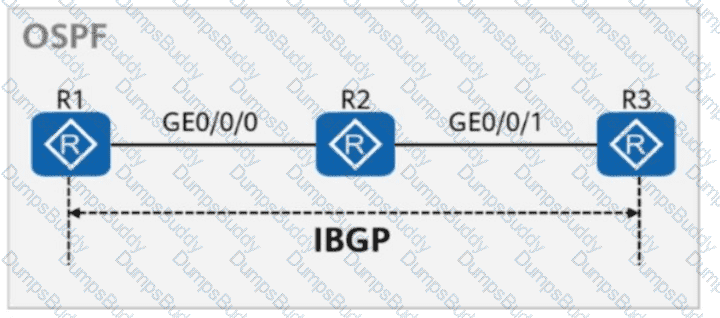
On the network shown in the figure, OSPF runs on R1, R2, and R3, and OSPF BFD is enabled. R1 and R3 use loopback interfaces to establish an iBGP peer relationship. If GE0/0/1 of R2 is shut down, which of the following is the longest period after which the BGP peer relationship of R1 will change from Up to Down?
After port isolation is configured on a switch, hosts in the same VLAN cannot communicate with each other at Layer 2 or Layer 3 by default.
OSPF supports equal-cost load balancing. When the number of equal-cost routes on the network is greater than the number specified in the maximum load-balancing command, and the interface priorities and interface indexes are the same, the routes with smaller next-hop IP addresses are selected for load balancing.
On the network shown in the figure, SW3 is the user gateway and DHCP relay agent.
The administrator plans to configure DHCP snooping on SW3 to prevent DHCP attacks.
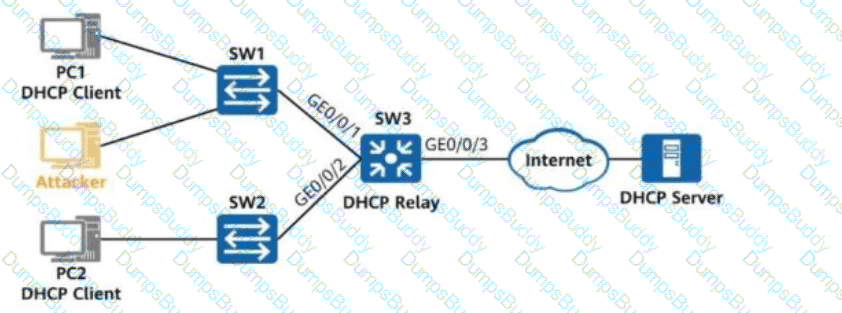
Which of the following commands does not need to be configured on SW3?
IPSG is a source IP address filtering technology based on Layer 3 interfaces. It prevents malicious hosts from forging authorized hosts ' IP addresses to access authorized network resources.
Entries in a MAC address table are classified into dynamic, static, and blackhole entries. In addition, the MAC address table of a switch also contains service MAC address entries, which are typically converted from dynamic entries.
On the OSPFv3 network shown in the figure, area 1 is a stub area.
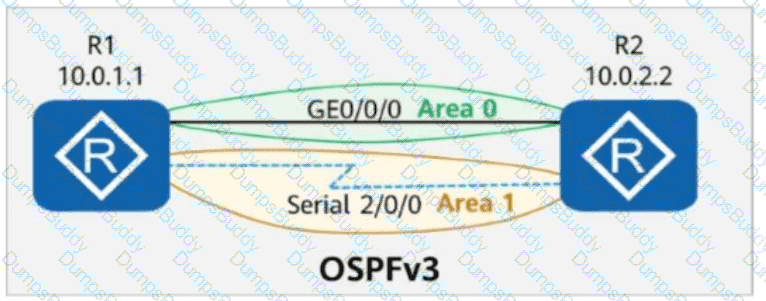
Which of the following LSAs is generated by only one router?
MPLS supports nesting of multiple labels. After receiving an MPLS packet, a device first processes the label next to the Layer 2 header, that is, the top MPLS label.
On the network shown in the figure, single-hop BFD is configured on R1 and R2.
A network engineer finds that the BFD session goes down. To locate the fault, the network engineer queries the BFD configurations on R1 and R2.
According to the configuration information marked in the figure, it can be determined that mismatched time parameter settings on R1 and R2 cause the BFD session to go down.
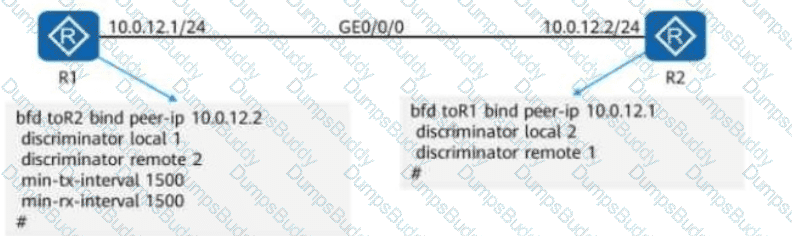
Is this statement TRUE or FALSE?
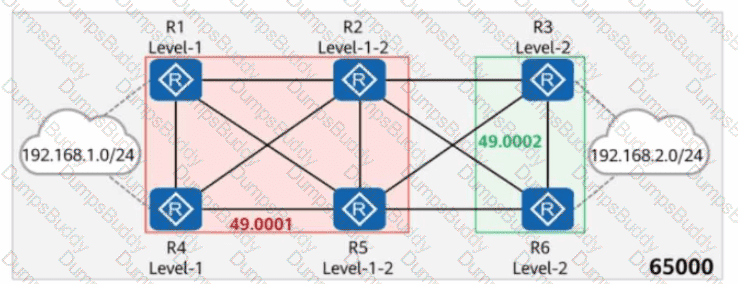
On the network shown in the figure, IS-IS runs on R1, R2, R4, and R5, and the area ID is 49.0001. IS-IS runs on R3 and R6, and the area ID is 49.0002. The import-route isis level-2 into level-1 command is configured on R2 and R5. In AS 65000, R1, R3, R4, and R6 each establish IBGP peer relationships with R2 and R5. R2 and R5 are RRs, and R1, R4, R3, and R6 are clients. The IBGP peer relationships are established using Loopback0. The IP address of Loopback0 on each router is 10.0.X.X/32, and the router ID is 10.0.X.X, where X is the number of the router. R1 and R4 import the external route 192.168.1.0/24 to BGP through the import-route command, and R3 and R6 import the external route 192.168.2.0/24 to BGP through the import-route command. Which of the following statements are true?
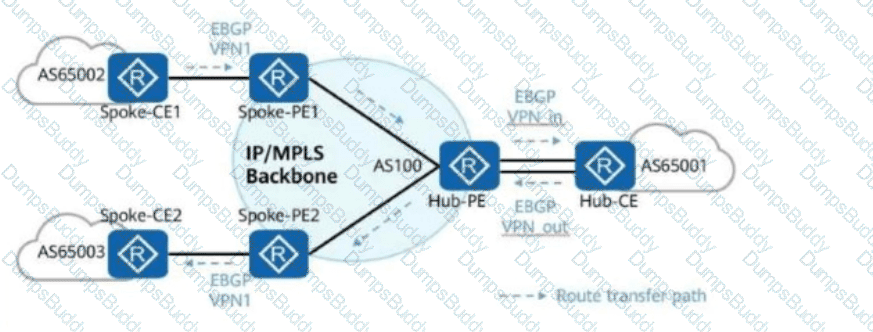
In the hub-spoke networking shown in the figure, the Hub-PE can be configured to allow repetitive local AS numbers for correct route transmission.
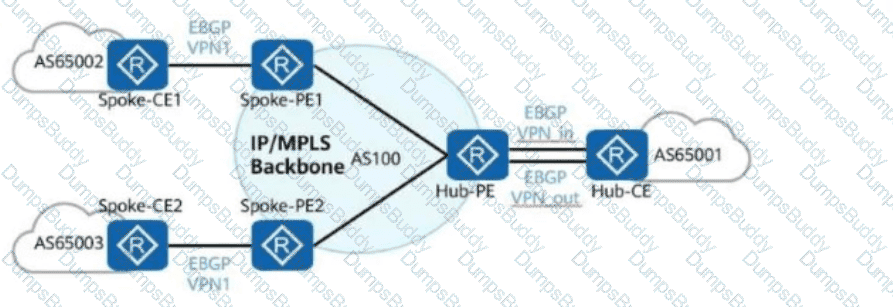
Is this statement TRUE or FALSE?
Options:
There are multiple types of MAC address entries on a switch. Which of the following entries are manually configured and cannot be aged out?
On an MPLS network, when a transit device receives an MPLS packet and is ready to swap labels, it finds that the label value after swapping is 0. In this case, which of the following operations will the device perform?
Options:
Huawei NetEngine AR6120 and AR6121 each have two slots for accommodating service interface cards, and the two slots can be combined into one.
OSPF supports equal-cost load balancing. When the number of equal-cost routes on the network is greater than the number specified in the maximum load-balancing command and the candidate routes have the same priority (weight value), the routes with larger interface indexes are selected for load balancing.
The network administrator configures DHCP snooping on an access switch. Which of the following solutions can be used to reduce the impact of denial of service (DoS) on the DHCP server caused by malicious IP address requests of attackers?
Which of the following is not added for IS-IS to support IPv6 route processing and calculation?
The source IP address of IS-IS Hello packets is changed to the link-local address.
TLV 232, which is equivalent to the IP Interface Address TLV in IPv4, except that the original 32-bit IPv4 address is changed to a 128-bit IPv6 address.
BFD for OSPF refers to the association of BFD with OSPF to speed up OSPF ' s response to network topology changes. The OSPF neighbor relationship can enter the Full state only after the BFD session goes up. The OSPF neighbor relationship can go down only after the BFD session goes down.
On the IS-IS IPv6 network shown in the figure, multi-topology is enabled on all routers.
The ipv6 default-route-advertise always level-1 command is configured in the IS-IS process of R4.
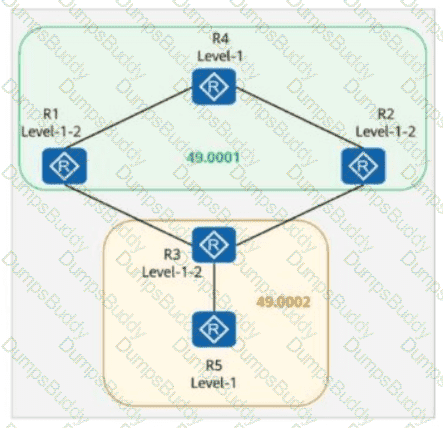
Which of the following routers does not have the default route in its routing table?
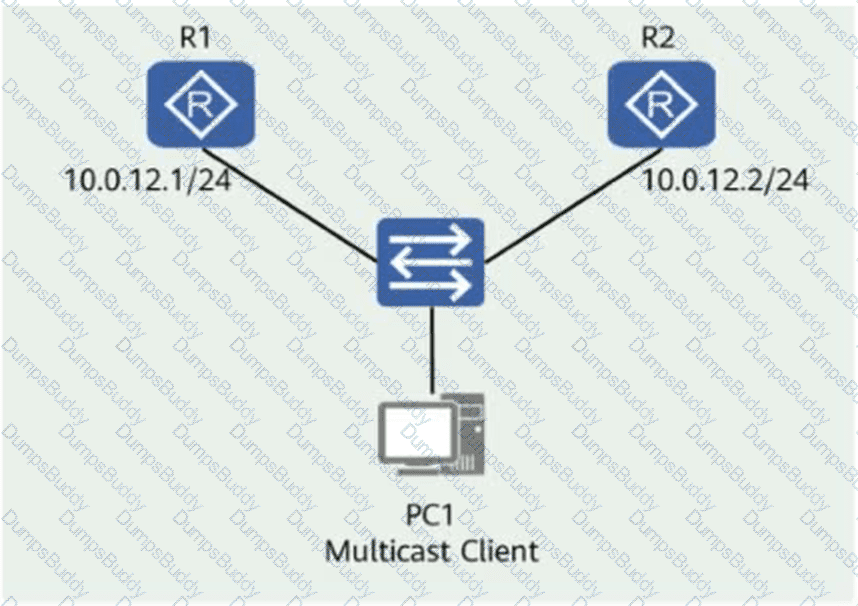
A network engineer draws a schematic diagram of a multicast network (shown in the figure) during troubleshooting. R1 and R2 run IGMP version 2 and use PIM-SM as the multicast routing protocol. The default settings are used for other parameters. Given this, the DR on the multicast network is _____. (Enter the device ID, for example, R1.)
On the BGP/MPLS IP VPN network shown in the figure, which of the following RT settings can enable Sitel and Site2 to communicate with Site3?
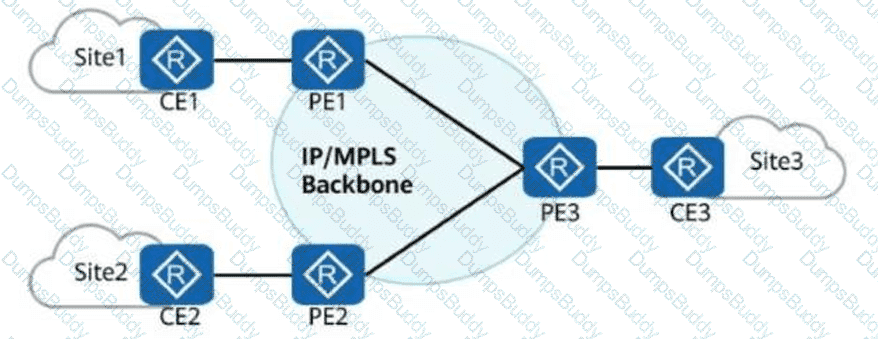
A)
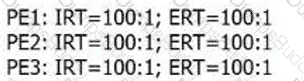
B)
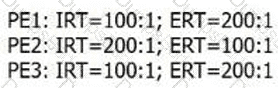
C)
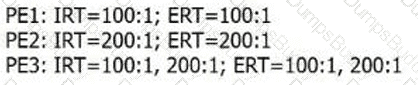
D)
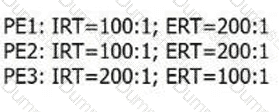
On a BGP/MPLS IP VPN network, VPNv4 routes carry the export RT. Which of the following attributes is used by MP-BGP to carry the export RT?
On the network shown in the figure, EBGP peer relationships are established between neighboring routers through directly connected interfaces. The AS number is 6500X, where X is the number of the router. Both Rl and R4 have static routes to 192.168.1.0/24, which are imported to BGP through the import-route command. By default, in the routing table of R3, which of the following is the AS_Path attribute carried in the route to 192.168.1.0/24?
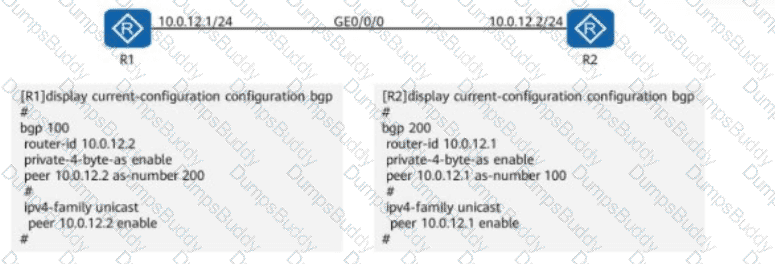
On the network shown in the figure, R1 and R2 cannot establish an EBGP peer relationship through directly connected interfaces. To locate this fault, a network engineer checks BGP configurations on R1 and R2, as shown in the figure. Based on these configurations, it can be determined that the fault cause is the inconsistent router IDs and interface IP addresses.
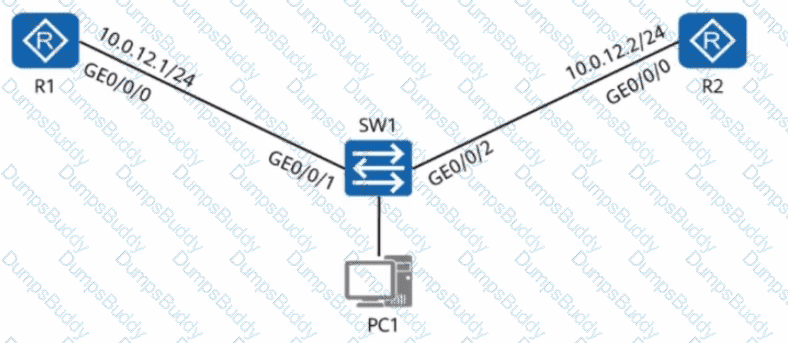
On the network shown in the figure, VRRP is configured on Rl and R2, and the virtual IP address is 10.0.12.254. After the configuration is complete, the network engineer checks the VRRP status on R1 and R2, and finds that both devices are in the Master state. Which of the following is not a possible cause of this problem?
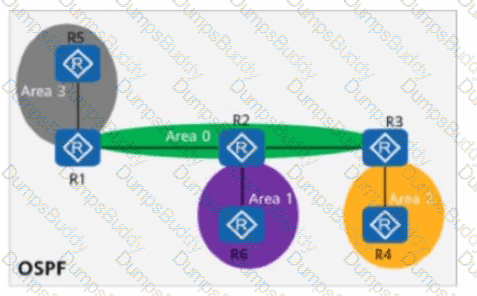
On the OSPF network shown in the figure, area 1 is a stub area, area 2 is a totally stub area, and area 3 is an NSSA. Which of the following LSAs does not exist in areas 1, 2, and 3?
In the hub-spoke networking shown in the figure, which of the following commands must be configured on the Hub-PE to ensure correct route transmission?
On the same switch interface, the administrator can configure traffic suppression for only one of the following packet types: broadcast, unknown multicast, unknown unicast, known multicast, and known unicast packets.
As its network scale expands, an enterprise plans to move scattered servers to the same equipment room for unified management. During hardware migration, network engineers do not need to perform device commissioning and therefore do not need to work out a migration solution.
On a BGP/MPLS IP VPN network, PEs exchange Update packets to update VPN routes. Which of the following are contained in an Update packet?
On the OSPFv3 network shown in the figure, area 1 is an NSSA. R1 imports the external route 2000::1/128 to OSPFv3. Which of the following LSAs does not exist in area 1?
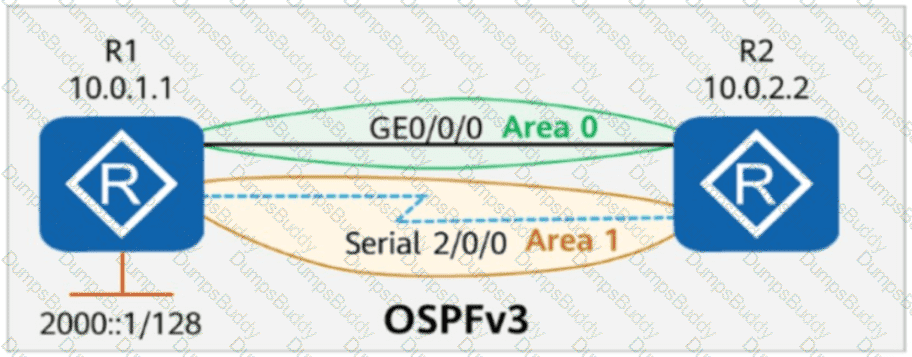
On an enterprise network shown in the figure, if CE2 is dual-homed to PE2 and PE3, a routing loop may occur during the exchange of Type 3 LSAs. To prevent the loop, the dn-bit-set disable command can be run on PE2 and PE3.
Using the display startup command, you can view the running system software, running configuration file, startup system software, and startup configuration file, as well as the paths where these files are stored.
Options:
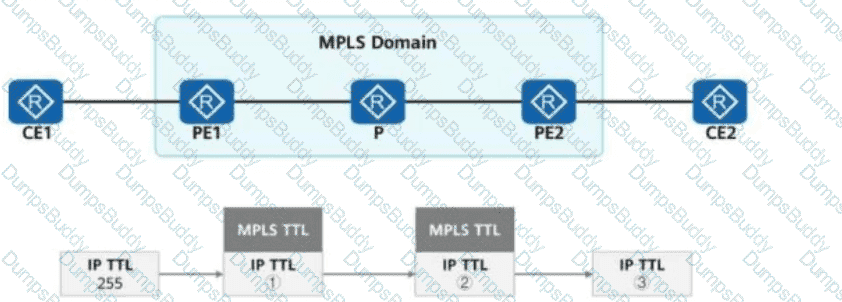
When an IP packet passes through an MPLS network, an MPLS device processes the TTL value in the packet.
If the pipe mode is used in the topology shown in the figure, which of the following is the TTL value in the IP packet?
Options:
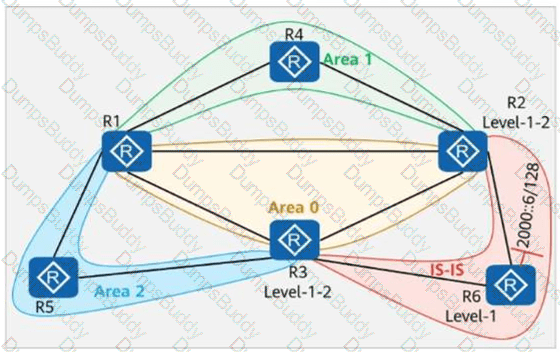
On the network shown in the figure, IS-IS IPv6 runs on R2, R6, and R3, and the IPv6 address of Loopback0 on R6 is 2000::6/128. OSPFv3 runs on other links. Area 1 is a stub area, and area 2 is an NSSA. ISIS routes are imported to OSPFv3 on R2 and R3. Which of the following methods can enable R4 to ping 2000: :6?
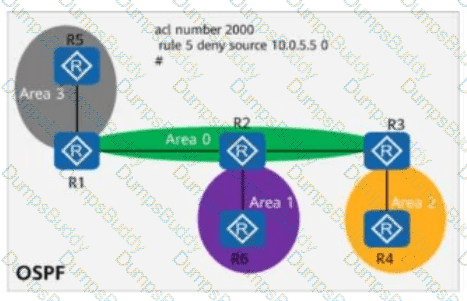
On the OSPF network shown in the figure, areas 1, 2, and 3 are common areas. The IP address of Loopback0 on R5 is 10.0.5.5/32, and OSPF is enabled on the interface using the network command.
ACL 2000 (with the matching rule shown in the figure) is configured on all routers. If the command filter 2000 import is run in area 0 (where R1, R2, and R3 reside), which of the following routers do not have the route 10.0.5.5/32 in their routing tables?
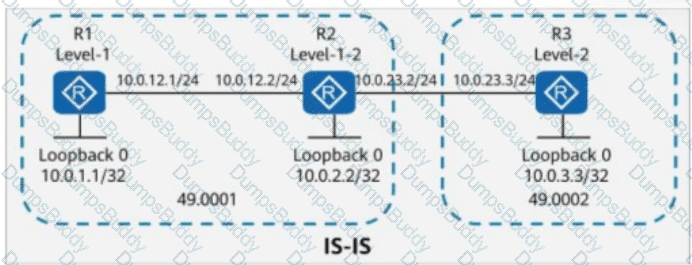
On the IS-IS network shown in the figure, R1 imports a default route using the default-route-advertise always level-1 command. Which of the following statements are true?
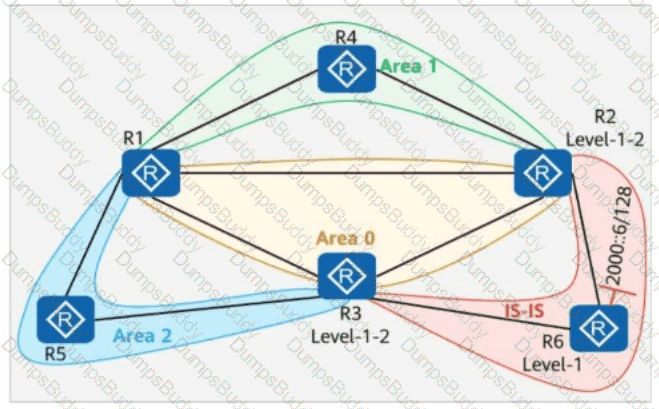
On the network shown in the figure, IS-IS IPv6 runs on R2, R6, and R3, and the IPv6 address of Loopback0 on R6 is 2000::6/128. OSPFv3 runs on other links. Area 1 is a stub area, and area 2 is an NSSA. IS-IS routes are imported to OSPFv3 on R2 and R3. Which of the following statements are true?
The MPLS architecture consists of the control plane and forwarding plane, each of which contains multiple protocols and entries. Which of the following tables is used to forward MPLS labeled packets?
Options:
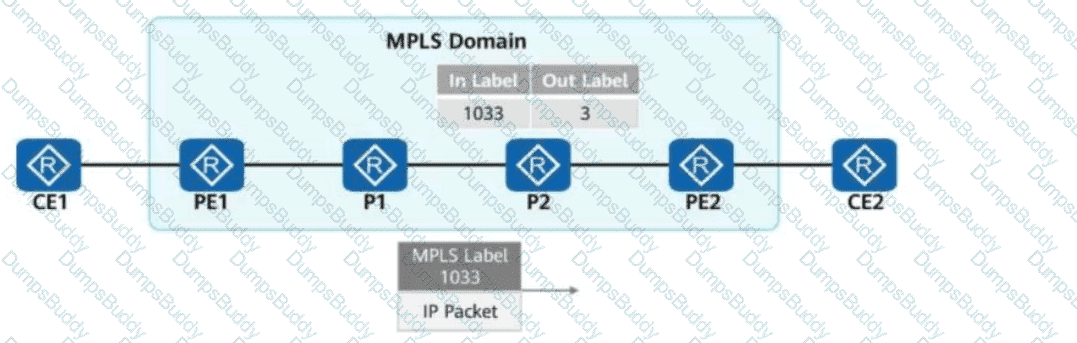
In the figure, packets are forwarded based on MPLS on the network.
When PE2 receives a packet from P2, what is the label value carried in the packet?
Options:
On a BGP/MPLS IP VPN network, which of the following are carried when a PE advertises VPNv4 routes?
On the network shown in the figure, the network administrator deploys DHCP snooping on the switch to defend against bogus DHCP server attacks.
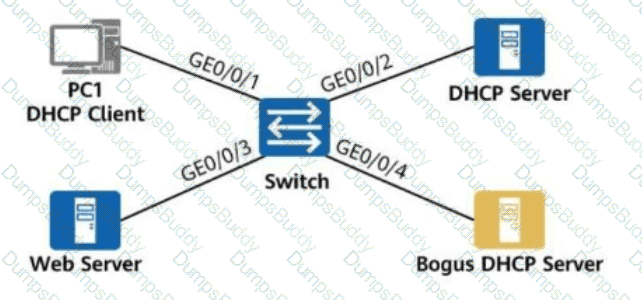
Which of the following interfaces should be configured as the DHCP trusted interface?
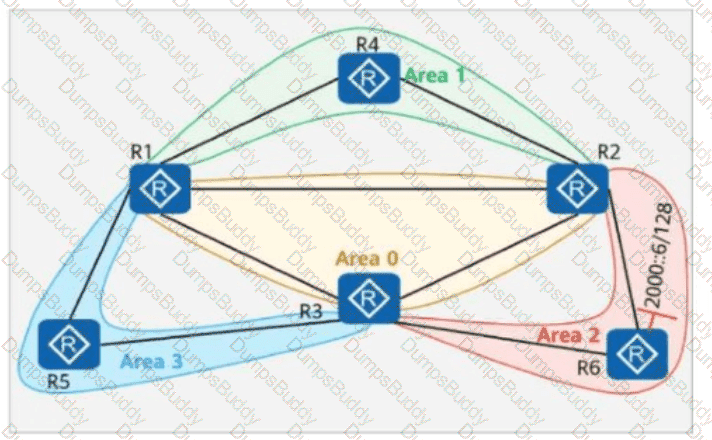
On the OSPFv3 network shown in the figure:
Area 1 is a stub area, Area 2 is a common area, and Area 3 is an NSSA (Not-So-Stubby Area).
The IPv6 address of Loopback0 on R6 is 2000::6/128.
The router ID of each router is 10.0.X.X, where X is the router number.
The stub no-summary command is configured in Area 1 on R2.
Which of the following statements is true?
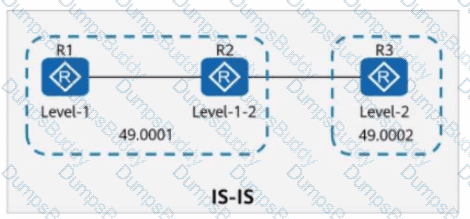
On the ISIS network shown in the figure, R1 imports a default route using the default-route-advertise always level-1 command. In this case, R3 can learn this default route through IS-IS.
Type 7 LSAs, used to describe imported external routes, were introduced to support NSSAs. They are generated by autonomous system boundary routers (ASBRs) in NSSAs. The flooding scope of Type 7 LSAs is similar to that of Type 5 LSAs. That is, besides being flooded to common areas and stub areas, Type 7 LSAs are also flooded to all NSSAs on the OSPF network.
RD and RT are introduced to BGP/MPLS IP VPN networks. Which of the following statements are true about RD and RT?
Which of the following statements are true about OSPFv3 Link-LSAs and Intra-Area-Prefix-LSAs?
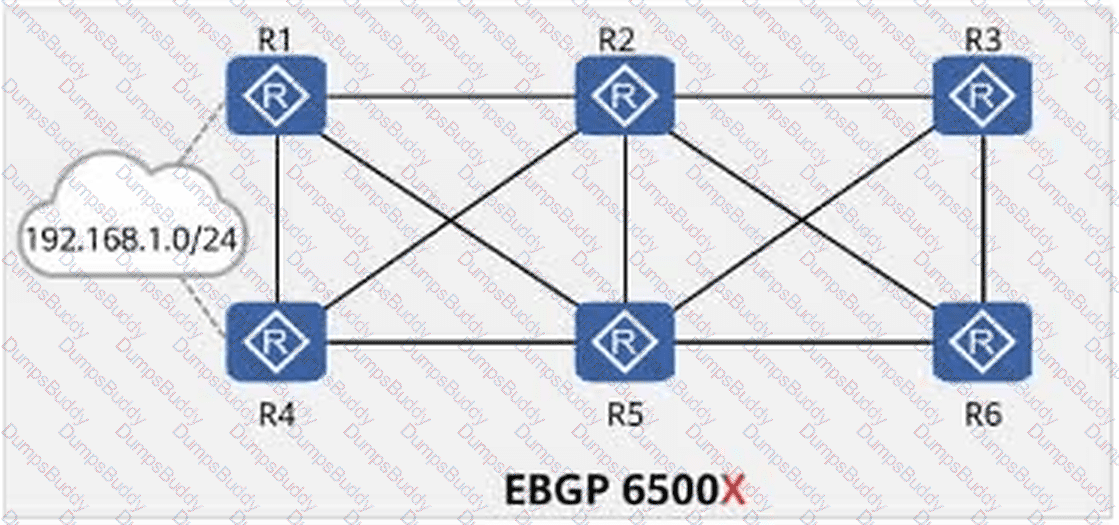
On the network shown in the figure, EBGP peer relationships are established between neighboring routers through directly connected interfaces. The AS number is 6500X, where X is the number of the router. Both R1 and R4 have static routes to 192.168.1.0/24, which are imported to BGP through the import-route command. The maximum number of equal-cost EBGP routes for load balancing is set to 8 on R3. By default, which of the following is the number of equal-cost routes from R3 to 192.168.1.0/24?
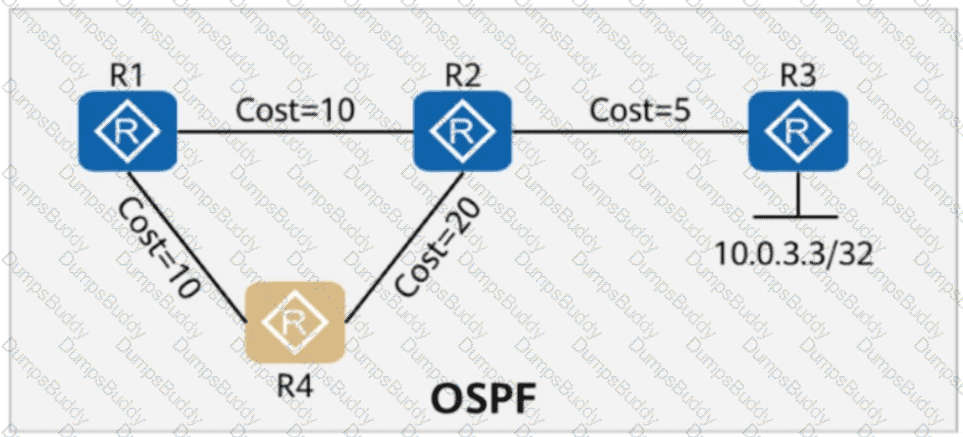
On the OSPF network shown in the figure, the cost values of links are marked. OSPF IP FRR is enabled on R1. The primary path from R1 to 10.0.3.3/32 is R1 - > R2 - > R3, and the backup path is R1 - > R4 - > R2 - > R3.
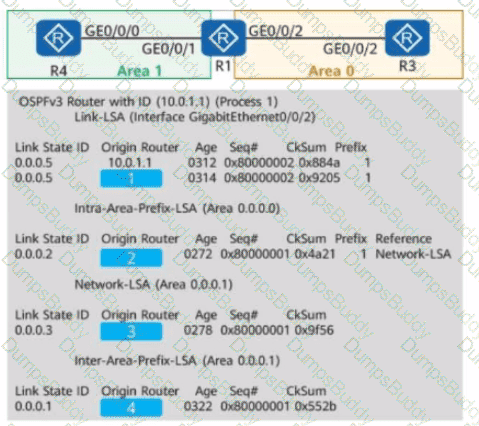
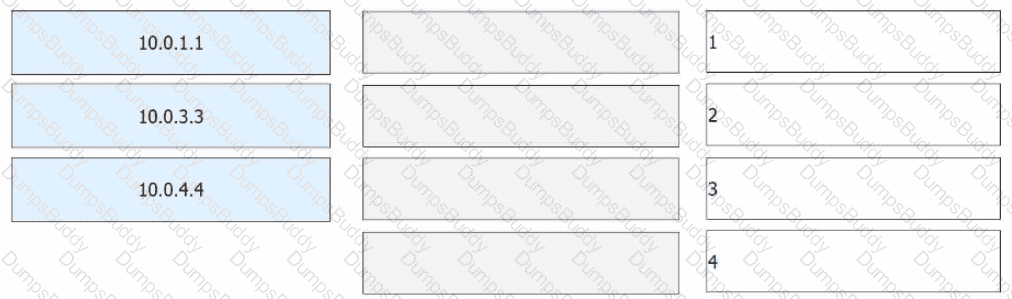
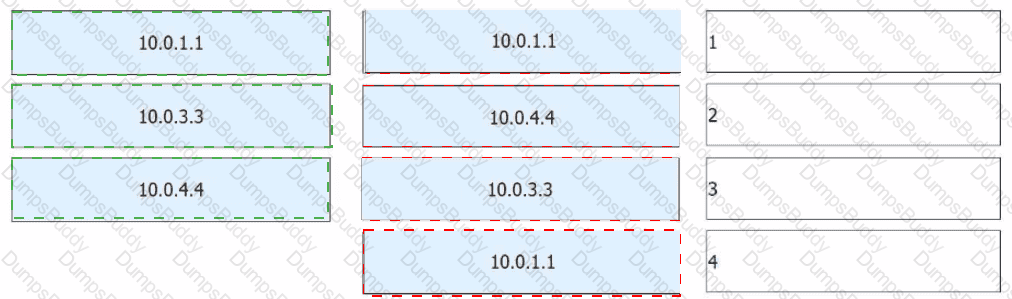
On the OSPFv3 network shown in the figure, OSPFv3 parameters use default values. The LSDB is checked on one of the devices. The router IDs of R1, R3, and R4 are 10.0.1.1, 10.0.3.3, and 10.0.4.4, respectively. The Origin Router part of some LSAs is hidden. Complete this part. (Tokens can be reused.)
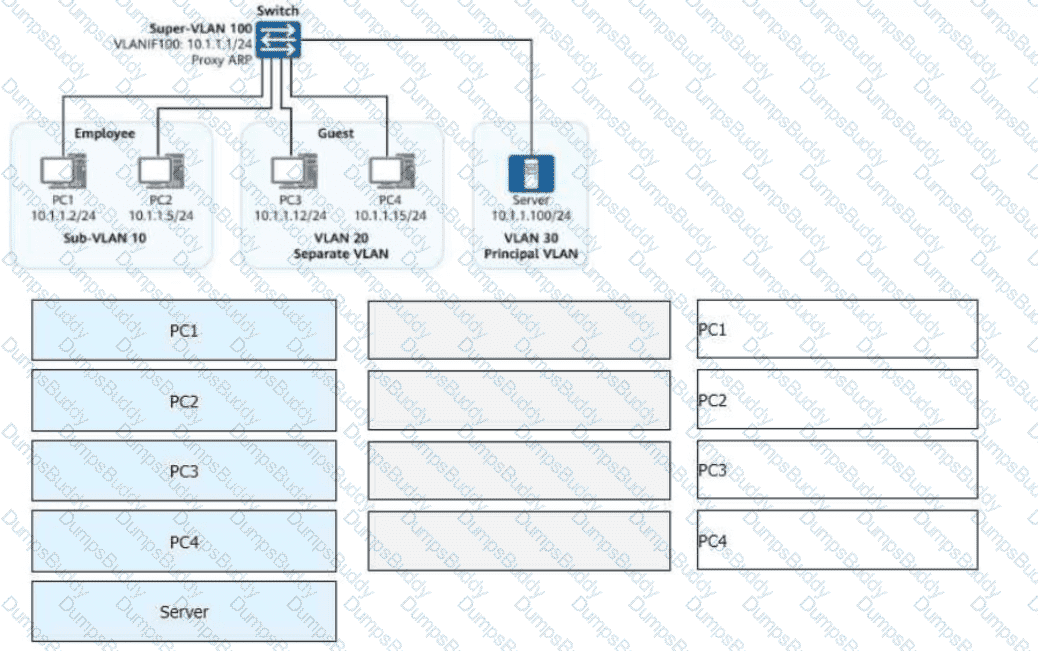
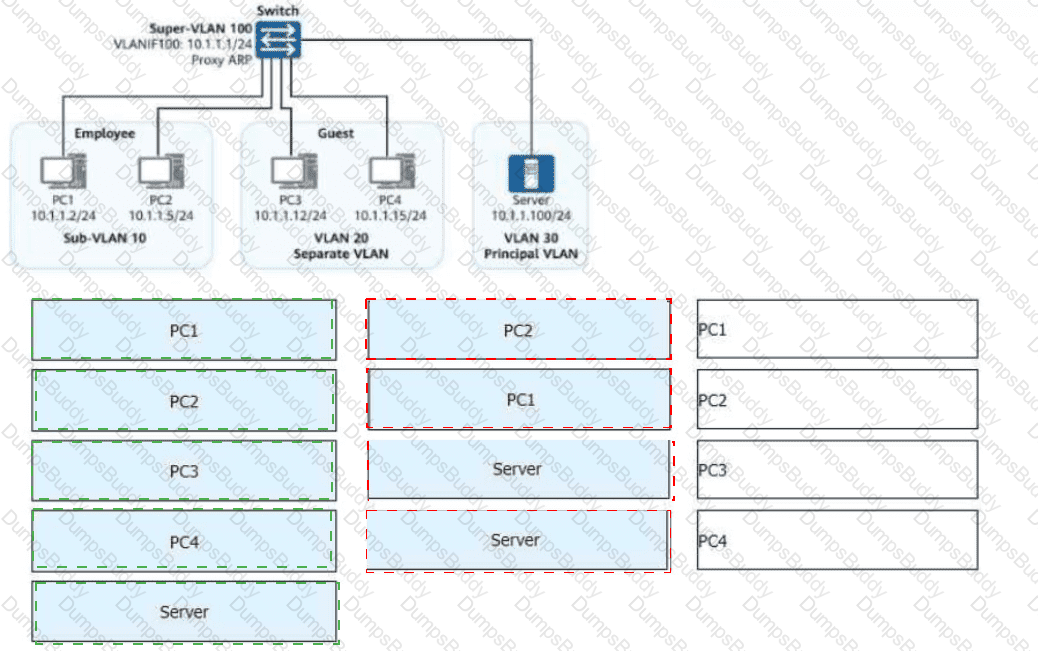
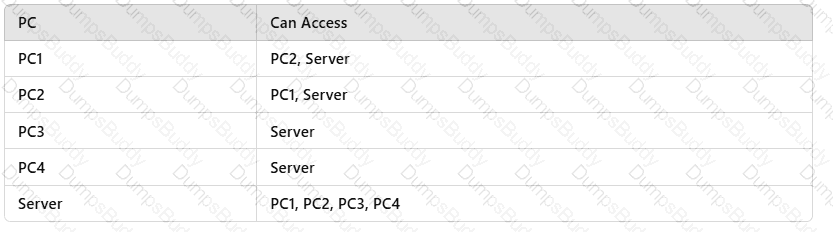
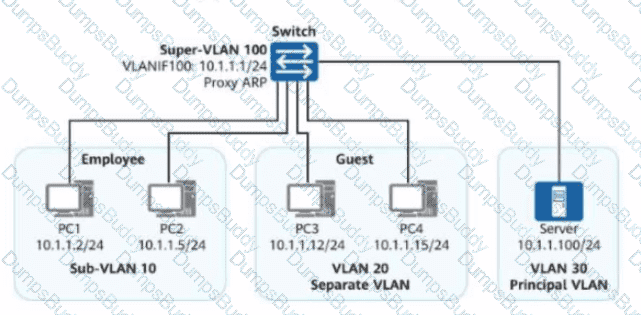
Both VLAN aggregation and MUX VLAN are deployed on the enterprise network shown in the figure.
All switch interfaces connected to terminals are access interfaces.
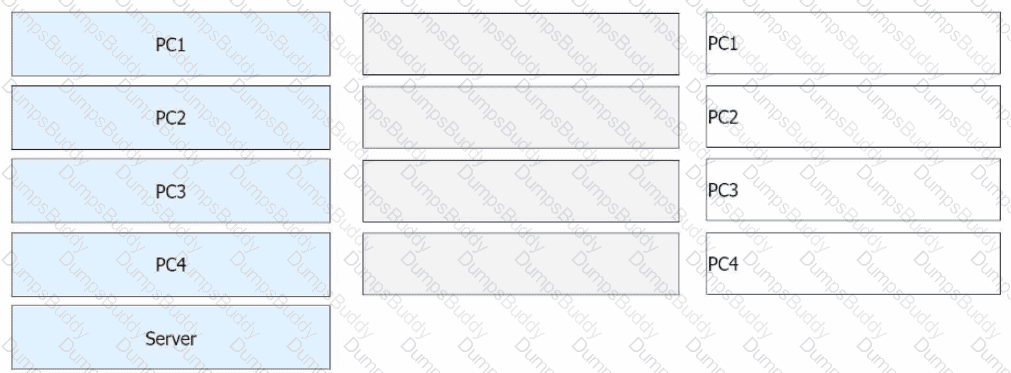
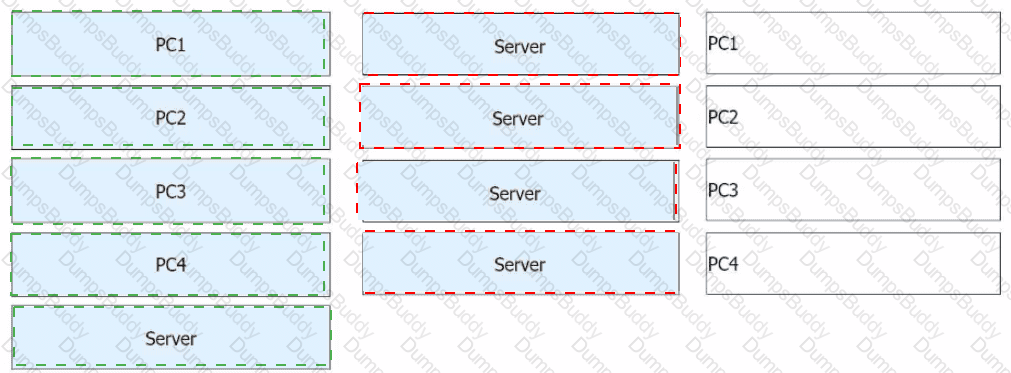
Given this, match PC1 to PC4 with the hosts or servers they can access on the network.
(Note: A host cannot be matched with itself. For example, PC1 cannot match PC1. Tokens can be reused.)
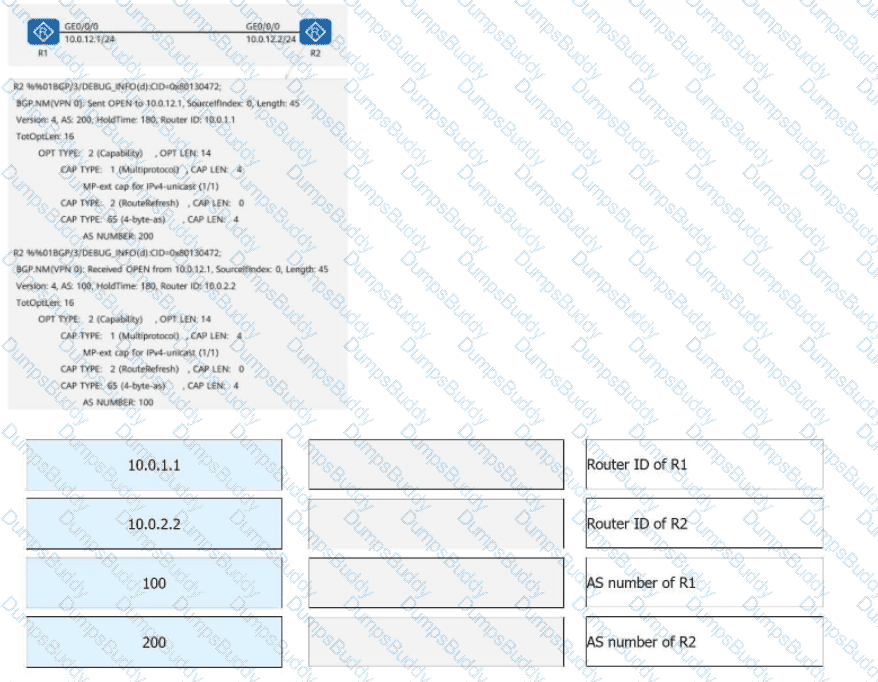
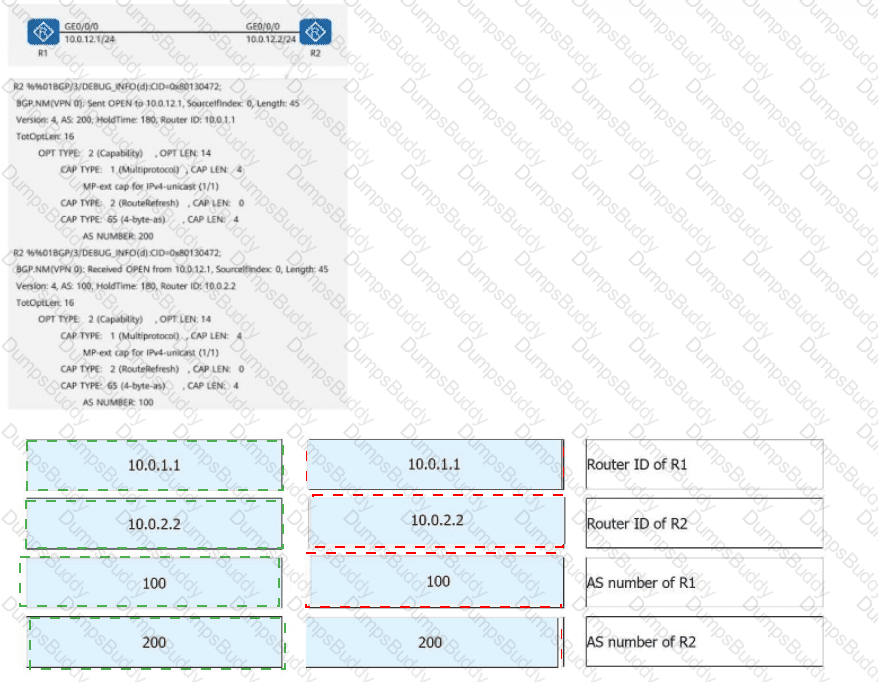
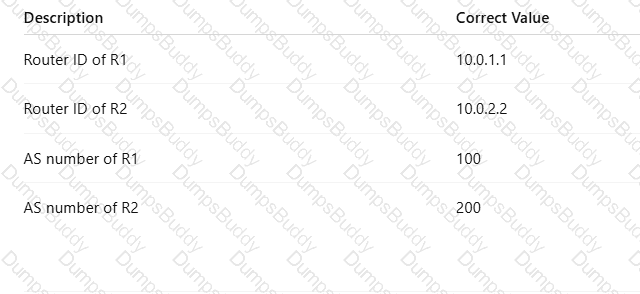
On the network shown in the figure, R1 and R2 use directly connected interfaces to establish a BGP peer relationship. The debugging information shown in the figure is displayed on R2. Drag the values on the left to the corresponding descriptions on the right.
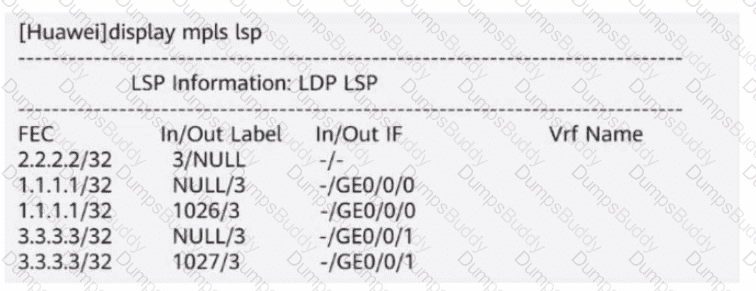
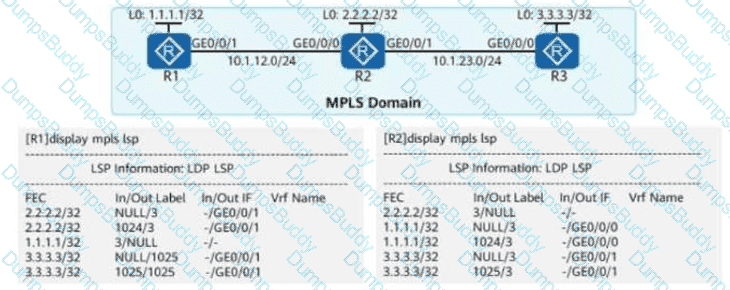
An administrator runs the display mpls Isp command to view LSPs on a device. The command output is shown in the figure. Which of the following statements are true?
On the network shown in the figure, EBGP peer relationships are established between neighboring routers through directly connected interfaces.
The router ID of each router is 10.0.X.X, and the AS number is 6500X, where X is the number of the router.
Both R1 and R4 have static routes to 192.168.1.0/24, which are imported to BGP through the import-route command.
The aggregate 192.168.1.0/16 detail-suppressed command is configured on R2.
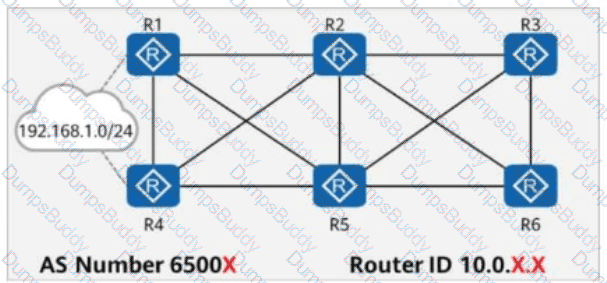
Which of the following is the path for traffic from R3 to 192.168.1.0/24?
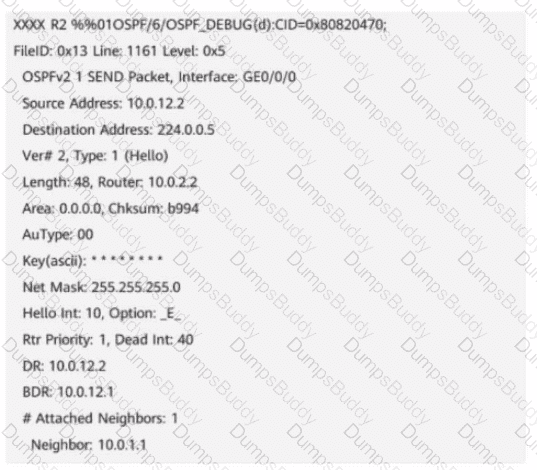
The figure shows the debugging information on an OSPF router. Which of the following is the router ID of this router?
A device upgrade is required for incorporating new features, optimizing performance, and resolving problems in the current version. To upgrade a device, load the system software of the target version and restart the device. Huawei NetEngine AR series devices, such as AR6120, AR6280, and AR6000V, use the same software package.
Both VLAN aggregation and MUX VLAN are deployed on the enterprise network shown in the figure, and all switch interfaces connected to terminals are access interfaces. Given this, match PCI to PC4 with the hosts or servers that they can access on the network. (Note: A host cannot be matched with itself. For example, PCI cannot match PCI.) (Tokens can be reused.)
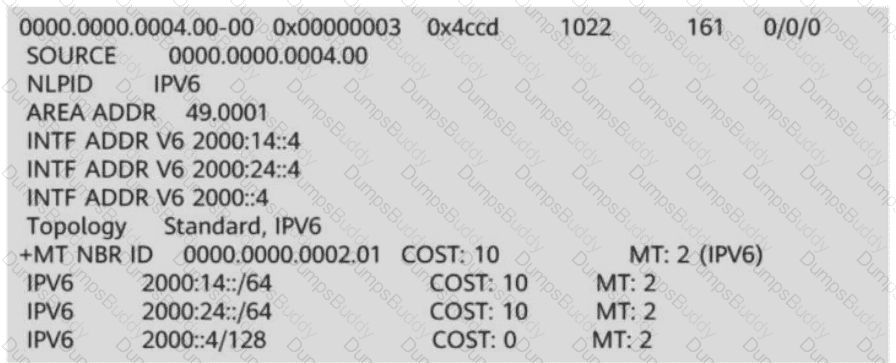
The figure shows information about an LSP (Link-State PDU) generated by an IS-IS router.
From the LSP, you can infer that the router is not the DIS (Designated Intermediate System) of the local link.
Options:
If end-to-end QoS is configured on an MPLS network, the penultimate hop device on the MPLS network can pop MPLS labels from packets based on penultimate hop popping (PHP), so that the egress node can process packets based on the QoS priority in inner packets.
To support the processing and calculation of IPv6 routes, IS-IS adds a new NLPID to TLV 129. The NLPID is an 8-bit field that identifies network layer protocol packets. Which of the following is the NLPID of IPv6?
Large and midsize enterprise networks can be divided into the access layer, aggregation layer, and core layer. Network engineers need to work out a migration solution for the operations to be performed at any layer, as long as the operations affect services on the live network.
Options:
The figure shows the LSP information of R1 and R2 on an MPLS network. An administrator runs the ping 3.3.3.3 command on R1. Given this, which of the following statements is true?
A network device has established an OSPF neighbor relationship with another device. The figure shows the configuration of GE0/0/0 on the network device.
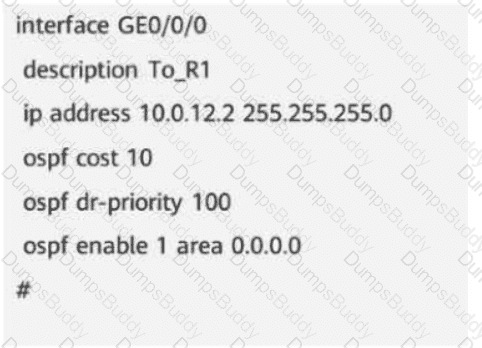
Which of the following commands would NOT affect the OSPF neighbor status of the interface?
PDF + Testing Engine

Testing Engine
PDF (Q&A)